Hunan Huacheng Biotech, INC · INDUSTRY INSIGHT
Expanded acreage, steady output, and rising raw-material prices — starting from this year's new harvest, an examination of the resource development of the natural monk fruit industry, the regulatory standards for synthetic biology, the difference between the two tracks, and the future potential of deep processing of Monk Fruit extract.
Date: November 2026
Topics: Harvest Review / Industry Resource Development / Hot-Topic Analysis
Produced by: Hunan Huacheng Biotech,INC
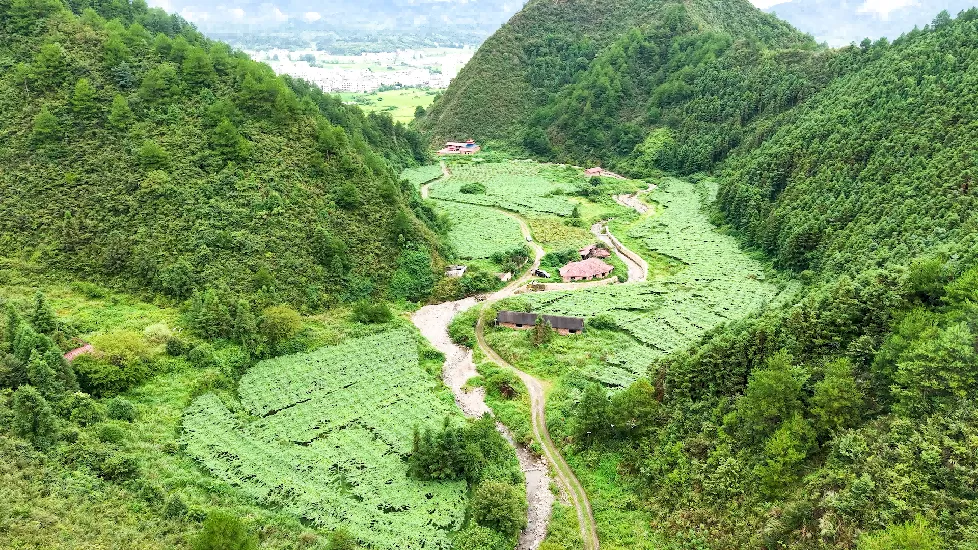
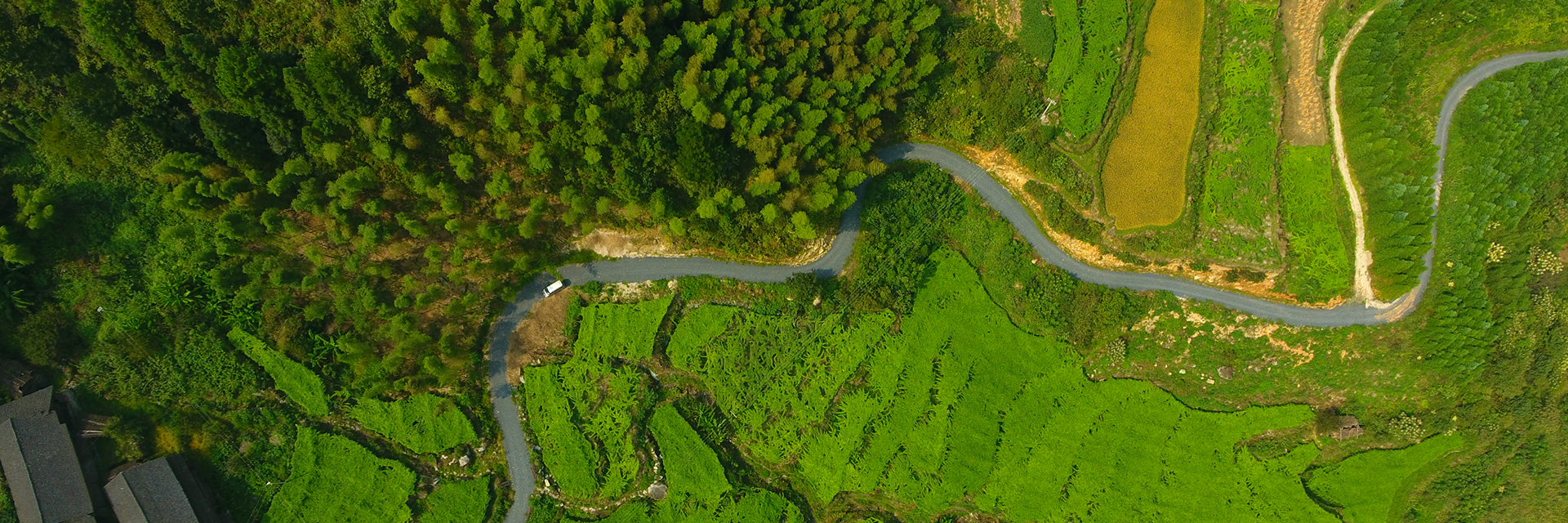
Monk Fruit Raw-Material Production Regions
The 2026 monk fruit harvest is drawing to a close. This year the planting map expanded further outward, with national planted area up about 30% versus 2025. Regionally, the expansion momentum is striking: planting scale in Hunan and Guizhou doubled, and the traditional core production region of Guilin also saw modest expansion. Monk fruit cultivation has now spread to seven or eight provinces including Guangxi, Yunnan, Fujian and Hainan, and the industry footprint keeps extending outward. In particular, monk fruit acreage in Liuzhou, Hunan and Guizhou has grown rapidly; these three areas already account for about half of total output, with huge room for further expansion.
Although planted area grew, successive weather challenges took a toll this year and the harvest fell short of expectations. Above-normal rain at the seedling stage affected root systems during growth and triggered widespread disease outbreaks, with yield declines especially pronounced in Yongfu — the traditional main production area — and the regions south of it; drought then struck at the flowering stage. Under this double impact, fresh-fruit quality this year is weaker than last year, with active-ingredient content generally on the low side.
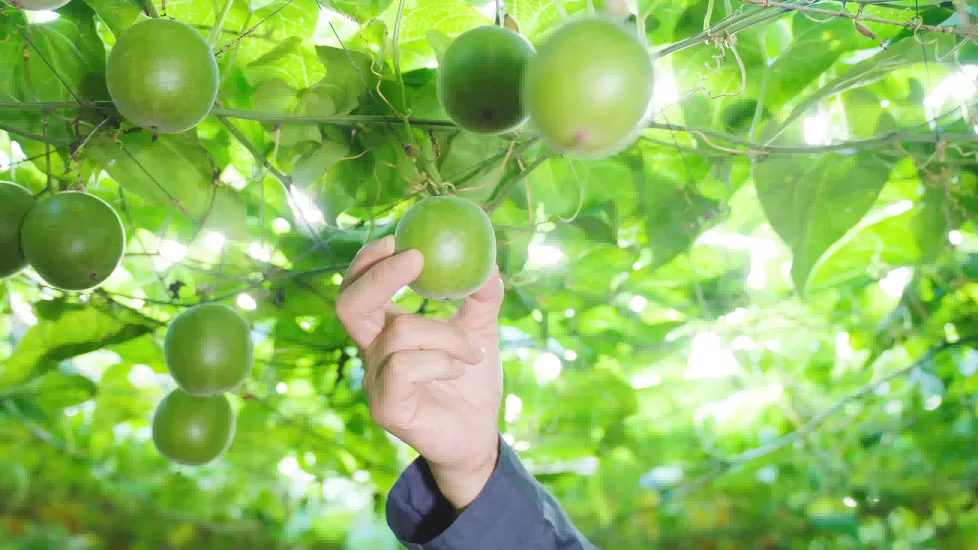
Fresh Monk Fruit of the 2026 Harvest Season
Monk fruit in Guilin, Guangxi first developed as a dried-fruit-centered value chain and achieved initial growth, though planted area and output were limited at the time. Before 2002, monk fruit was grown only in Longjiang Township of Yongfu County, Guangxi and a few other townships, covering less than 5,000 mu, with fresh-fruit output under 3,000 tons.
To break the constraints of the traditional planting area and output, Hunan Huacheng Biotech,INC began pilot introduction of monk fruit into Hunan Province in 2012, and introduced it into Jiangxi, Guizhou and other provinces from 2014. Promotion and planting also began in Yingde, Longmen and other parts of Guangdong in 2020.
Through more than a decade of effort, Huacheng has now established monk fruit planting in over 50 counties and cities across Hunan Province, including Chenxi, Xupu, Yuanling, Tongdao, Jingzhou, Huitong, Mayang, Jiangyong, Jianghua, Ningyuan, Suining, Wugang, Chengbu, Taoyuan, Changsha, Ningxiang, Liuyang, Xiangtan, Chaling, Liling, Yizhang, Rucheng, Jiahe, Anren, Pingjiang, Lianyuan, Xinhua, Shuangfeng, Fenghuang, Longshan, Huayuan, Guzhang, Sangzhi, Zhangjiajie, Cili and Anhua.
In Jiangxi Province: planting in Tonggu, Shanggao, Xiushui, Ganzhou, Pingxiang, Wuning, Jing’an, Wanzai and other areas.
In Guizhou Province (Qiandongnan and Qianxinan prefectures): planting in Kaili, Rongjiang, Libo, Liping, Jinping and Dushan.
Sichuan Province: Panzhihua; Chongqing: Youyang
| Planted Area and Output by Region, 2002–2026 | |||||||||
|---|---|---|---|---|---|---|---|---|---|
| Region / Area (mu) | 2002 | 2012 | 2018 | 2021 | 2022 | 2023 | 2024 | 2025 | 2026 |
| Guangxi: Guilin | 5000 | 10000 | 30000 | 45000 | 50000 | 150000 | 70000 | 80000 | 90000 |
| Guangxi: Liuzhou & Hezhou | 10000 | 30000 | 32000 | 100000 | 30000 | 40000 | 50000 | ||
| Hunan | - | 500 | 5000 | 20000 | 45000 | 60000 | 20000 | 25000 | 30000 |
| Guizhou | - | - | 500 | 4000 | 25000 | 50000 | 20000 | 30000 | 35000 |
| Jiangxi | - | 500 | 1000 | 10000 | 30000 | 5000 | 8000 | 10000 | |
| Guangdong | - | - | 200 | 500 | 1000 | 5000 | 500 | 1000 | 2000 |
| Yunnan | - | - | 500 | 1000 | 2000 | 5000 | 500 | 1000 | 2000 |
| Sichuan & Chongqing | - | - | - | - | - | - | 1000 | 2000 | |
| Total: | 5000 | 10500 | 46700 | 101500 | 165000 | 400000 | 146000 | 186000 | 221000 |
| Avg. annual fresh-fruit output (tons): | 3000 | 6300 | 28020 | 60900 | 99000 | 252000 | 87600 | 111600 | 110500 |
| V50-equivalent annual output (tons): | 24 | 48 | 215 | 468 | 761 | 1800 | 673 | 858 | 850 |
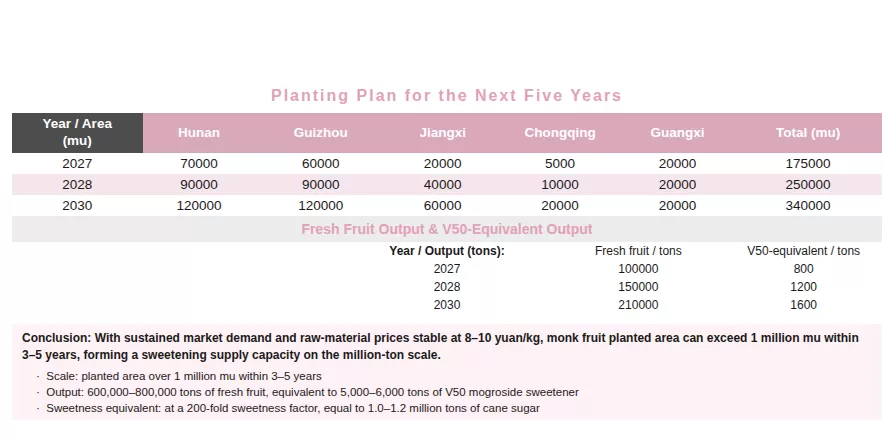
As of the 2026 peak: Hunan's monk fruit planted area has reached over 60,000 mu, Jiangxi's over 30,000 mu, and Guizhou's 40,000 mu. Planting outside Guangxi has already surpassed the Guilin production region; as long as market demand persists, out-of-province planting will eventually exceed Guangxi's.
Monk fruit planting follows a farmers-plus-cooperatives-plus-enterprises model that sustains the healthy, continued development of the industry: it effectively creates jobs for elderly and weaker groups in rural areas and puts idle land back into use, raising farmers’ incomes (average net income of 5,000–6,000 yuan per mu). While genuinely advancing rural revitalization, it delivers the natural, healthy sweetness of monk fruit to every consumer.
In response to recent market moves around breakthroughs in synthetic monk fruit sweetener R&D and bench-scale trials, Hunan Huacheng Biotech,INC offers this prudent assessment grounded in industry reality:
Synthetic monk fruit sweetener is still at the laboratory and bench-scale stage: cost, purity, by-product control and scale-up processes are all immature, and industrial mass production with stable supply remains a long way off. It must be stressed that synthetic biology runs on a track entirely different from the natural industry — it involves no field cultivation and touches no farmers, cooperatives or land use. The rural revitalization and social benefits carried by the natural monk fruit industry simply do not exist on this track.
Even if synthetic processes achieve mass production in the future, natural monk fruit extract and synthetic monk fruit sweetener will remain two entirely different categories of raw material in global regulatory systems, food-label naming and ingredient classification: different sourcing paths, different composition profiles, different label declaration names, and different end-consumer value attributes.
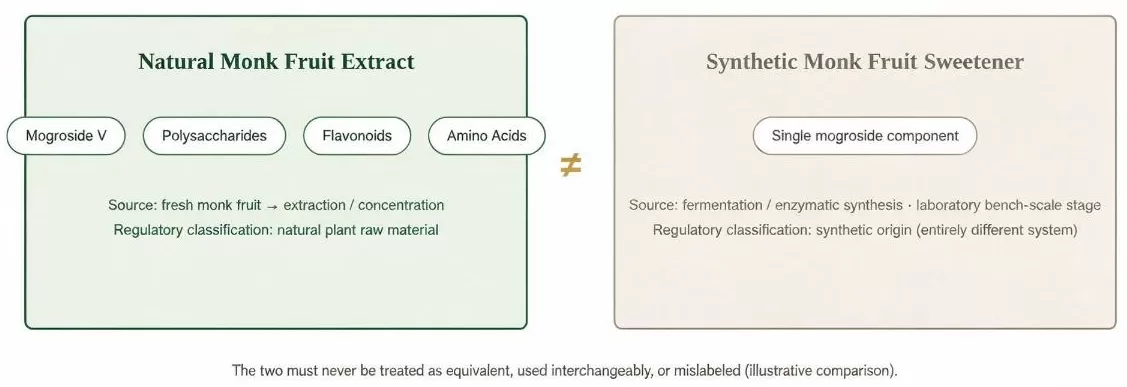
Figure 2 | Natural vs. synthetic: two entirely different raw materials (illustrative comparison)
| Comparison Dimension | Natural Monk Fruit Extract | Synthetic Monk Fruit Sweetener |
|---|---|---|
| Sourcing Path | Fresh monk fruit → extraction / concentration | Fermentation / enzymatic synthesis |
| Composition Profile | Complex composition: mogroside V, polysaccharides, flavonoids, amino acids, etc. | Single mogroside component |
| Regulation & Labeling | Classified and declared as a natural plant raw material | Classified as synthetic origin, with an entirely different naming system |
| End-Use Value Attributes | Natural, clean label, food-and-medicine homology perception | Cost-driven sweetening solution |
| Industrialization Maturity | Mature mass production, stable supply | Laboratory / bench-scale stage |
Key Note: The two must never be treated as equivalent, substituted for each other, or confused in labeling; otherwise there are serious compliance risks and risks of misleading consumers.
Natural monk fruit is a composite food-and-medicine resource: beyond mogrosides, it is rich in natural actives such as polysaccharides, flavonoids and amino acids. Synthesis can replicate a single sweetness metric, but not the complete botanical value and compound flavor system of natural monk fruit. Likewise, the synthetic route cannot replicate the social benefits of the natural industry — behind natural monk fruit stand planting bases spanning multiple provinces and the jobs and higher incomes of tens of thousands of farmers: a tangible answer sheet for rural revitalization.
| Monk Fruit Extract | Monk Fruit Concentrated Juice | Natural Fruit Powder | Functional Food Ingredients |
|---|---|---|---|
| Standardized mogroside content, for beverages and sugar-reduction systems | Retains natural flavor, suited to drinks and seasonings | Whole-fruit utilization, extending into powdered beverages and bakery | Food-and-medicine homology attributes supporting health-product development |

Monk Fruit Extract Series
Facing the market disorder brought by the synthetic-biology boom, Hunan Huacheng Biotech,INC is not only staying committed to the natural extraction track, but also working to advance industry standards at the technical detection level. The company has joined forces with leading universities and research institutions to jointly build a fingerprint-based authentication system that distinguishes natural monk fruit components from synthetic-biology components.
The system uses UPLC-MS/MS as its core detection method, combined with fingerprint profiling and stable-isotope analysis, to build discrimination paths by scenario: fingerprint profiling compares compositional differences between natural complex components and purified synthetic components; stable-isotope analysis provides clear discrimination of sweeteners synthesized by fermentation from exogenous carbon sources such as glucose; for products obtained by enzymatic modification of plant-derived sweetener substrates, determination combines characteristic trace-component profiles with glycan structural information. The system is currently in method development and validation, with plans to advance it into a group/industry standard.
The goal of method development is effective screening in low-ratio blending scenarios. Once the system is in place, raw-material provenance will be transparent and verifiable — consumers can buy with clarity and use with confidence, and end customers can effectively avoid the label and regulatory risks brought by “blending” and obtain genuinely compliant, traceable natural health-ingredient solutions.
01 Natural monk fruit industry resources are expandable: as long as the market demands, arranging monk fruit planting one year in advance can fully meet market needs.
02 Synthetic biology is another technology track; lacking the natural attributes and social benefits of natural monk fruit, it will not replace the natural botanical extraction industry.
03 Natural monk fruit holds irreplaceable advantages in compliance, safety, compositional richness and end-consumer acceptance.
04 Monk fruit is a rare plant resource unique to China; deep processing, diversified applications and deeper value mining remain the core development theme of the industry for the coming decade.

Botanical Extraction Line
Hunan Huacheng Biotech,INC has long been committed to the whole natural monk fruit supply chain. With natural plant raw materials at its core, it steadily delivers a standardized, high-purity, high-safety monk fruit ingredient series, strictly separates natural and synthetic systems, and continuously provides global customers with compliant, stable and traceable natural health-ingredient solutions.







 EN
 EN
 CN
 ES
 PT
 SV
 DE
 TR
 FR
 AR
 BG
 HR
 CS
 DA
 NL
 FI
 EL
 HI
 IT
 JA
 KO
 NO
 PL
 RO
 RU
 CA
 TL
 IW
 ID
 LV
 LT
 SR
 SK
 SL
 UK
 VI
 SQ
 ET
 GL
 HU
 MT
 TH
 FA
 AF
 MS
 GA
 BE
 UZ